
Walking is one of the best things you can do for your health. It is a cornerstone of healthy ageing and is associated with a lower risk of cardiovascular disease, hypertension, type 2 diabetes and premature death (1).
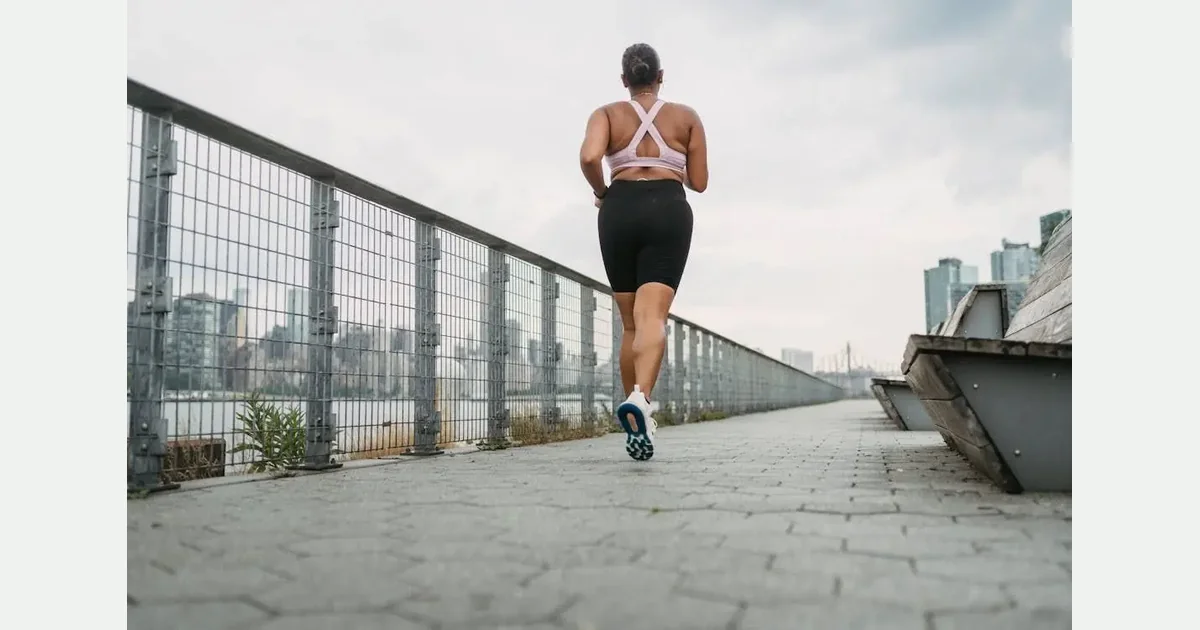
However, walking alone is usually not enough to preserve muscle mass and strength as we age.
From around the age of 30, adults gradually begin to lose muscle mass at a rate of approximately 3–8% per decade. This decline accelerates after the age of 60 and is accompanied by a reduction in muscle strength, increasing the risk of falls, fractures, frailty and loss of independence (2).
Why isn't walking enough?
Walking is excellent for improving cardiovascular health and muscular endurance.
However, it places relatively low demands on your muscles.
To maintain or build muscle, your muscles need to work against a challenging resistance. Once your body adapts to regular walking, it generally no longer provides a sufficient stimulus to maintain or increase muscle strength and muscle mass.
What does the evidence recommend?
Current exercise guidelines recommend that adults perform muscle-strengthening activities involving all major muscle groups on at least two days per week, in addition to 150-minutes of moderate intensity exercise each week (3).
Strength training is beneficial for adults of all ages and is particularly important from midlife onwards to help preserve muscle and bone health.
Examples include:
- Free weights or machines
- Resistance bands
- Bodyweight exercises (e.g. squats, push-ups, lunges)
- Pilates (when the exercises are sufficiently challenging)
The exercises should become progressively more challenging over time (known as progressive overload) as your muscles adapt.
Don't forget protein
Resistance training provides the stimulus for your muscles to adapt, while protein provides the building blocks to support muscle maintenance, repair and growth.
Consuming adequate protein throughout the day, in combination with resistance training, helps support muscle maintenance, repair and growth.
Take-home message
Walking is excellent exercise—but it shouldn't be your only exercise.
Combining regular walking with strength training helps maintain muscle mass, strength, mobility and independence as you age.
References
- Ungvari Z, Fazekas-Pongor V, Csiszar A, Kunutsor SK. The multifaceted benefits of walking for healthy aging: From Blue Zones to molecular mechanisms. GeroScience. 2023;45(6):3211–3239. doi: 10.1007/s11357-023-00873-8
- Mitchell WK, Williams J, Atherton P, Larvin M, Lund J, Narici M. Sarcopenia, dynapenia, and the impact of advancing age on human skeletal muscle size and strength; a quantitative review. Front Physiol. 2012;3:260. doi: 10.3389/fphys.2012.00260.
- American College of Sports Medicine. American College of Sports Medicine Position Stand: Resistance Exercise for Health and Fitness Across the Lifespan. Med Sci Sports Exerc. 2025.