
Cancer is a word that no one wants to hear. Although not every cancer can be prevented, research has identified several modifiable factors that can influence risk. Regular physical activity is one of them.
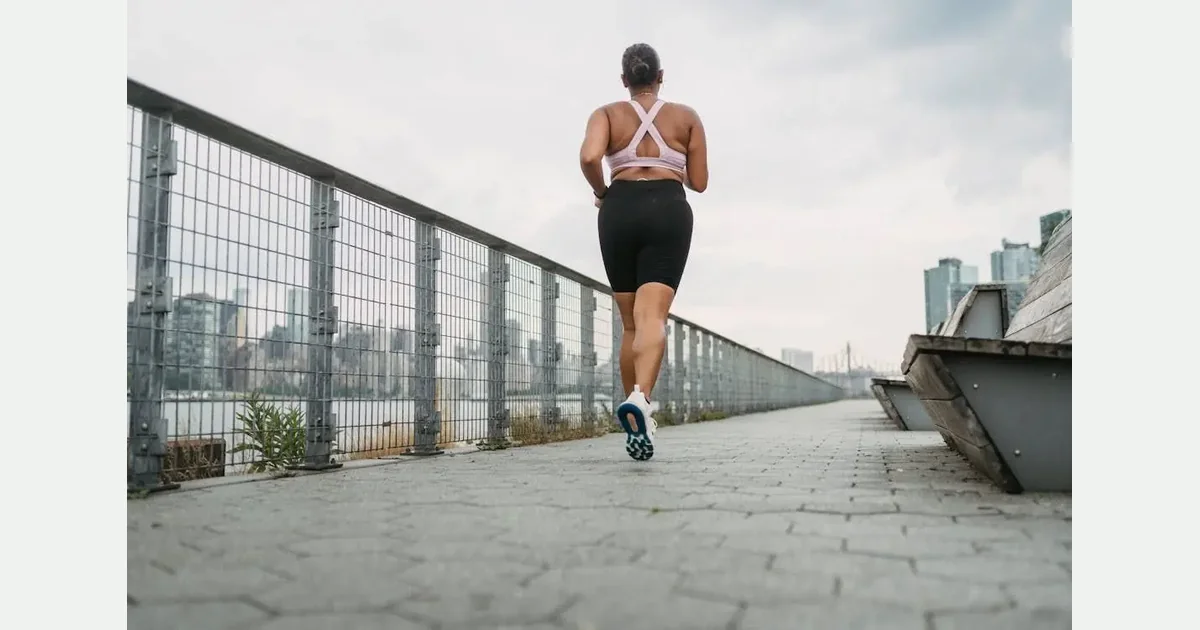
Physical activity cannot guarantee that someone will avoid cancer. Cancer develops through a complex interaction of age, genetics, environment, lifestyle and chance. However, being physically active is associated with a lower risk of developing several common cancers and also supports broader cardiovascular and metabolic health.
How is physical activity connected with cancer risk?
Current evidence links regular physical activity with a reduced risk of 13 types of cancer. These include bowel, breast and endometrial cancers, among others.
Exercise may influence cancer risk through several pathways. Regular activity can help to:
- Maintain a healthy body weight and body composition
- Improve insulin sensitivity and metabolic health
- Influence hormone levels
- Reduce chronic inflammation
- Support immune function
- Improve digestion and reduce the time potential carcinogens remain in the bowel
These mechanisms differ between cancer types, and research continues to examine their relative importance.
How much activity should adults undertake?
Australia's current movement guidelines recommend that adults undertake a variety of activity across the week, including:
- Moderate- to vigorous-intensity activity for 30 minutes or more on most days
- Muscle-strengthening activities on at least two days each week
- Activities targeting mobility, balance and coordination on at least three days each week
- Several hours of light-intensity activity each day
- Regular breaks from prolonged sitting
This does not mean that exercise must always be strenuous. Brisk walking, cycling, swimming, resistance training and active recreation can all contribute.
For someone who is currently inactive, beginning with manageable amounts and progressing gradually is more useful than attempting an unrealistic program that cannot be maintained.
Exercise is one part of prevention
Physical activity should be considered alongside other evidence-based measures, including avoiding smoking, limiting alcohol, protecting skin from excessive ultraviolet exposure, maintaining a healthy diet and participating in recommended screening.
Exercise does not replace cancer screening or medical assessment. A physically active person can still develop cancer, and new or concerning symptoms should always be discussed with a doctor.
A personalised approach
During an Executive Medicine assessment, a client's existing activity, fitness, medical history and risk factors can be considered together. This helps identify where exercise may support their broader prevention plan and what form of activity is realistic for their circumstances.
An Accredited Exercise Physiologist can help develop a program that accounts for current fitness, health conditions, injuries and personal preferences.
The objective is not to create fear or promise prevention. It is to make regular movement one practical part of looking after long-term health.
References
- Cancer Council Australia. New research shows over three times more cancers are attributable to physical inactivity than previously estimated. 2024.
- Australian Government Department of Health, Disability and Ageing. Australian 24-hour movement guidelines for adults and older adults. 2026.
- World Cancer Research Fund/American Institute for Cancer Research. Diet, Nutrition, Physical Activity and Cancer: A Global Perspective. Continuous Update Project Expert Report.